
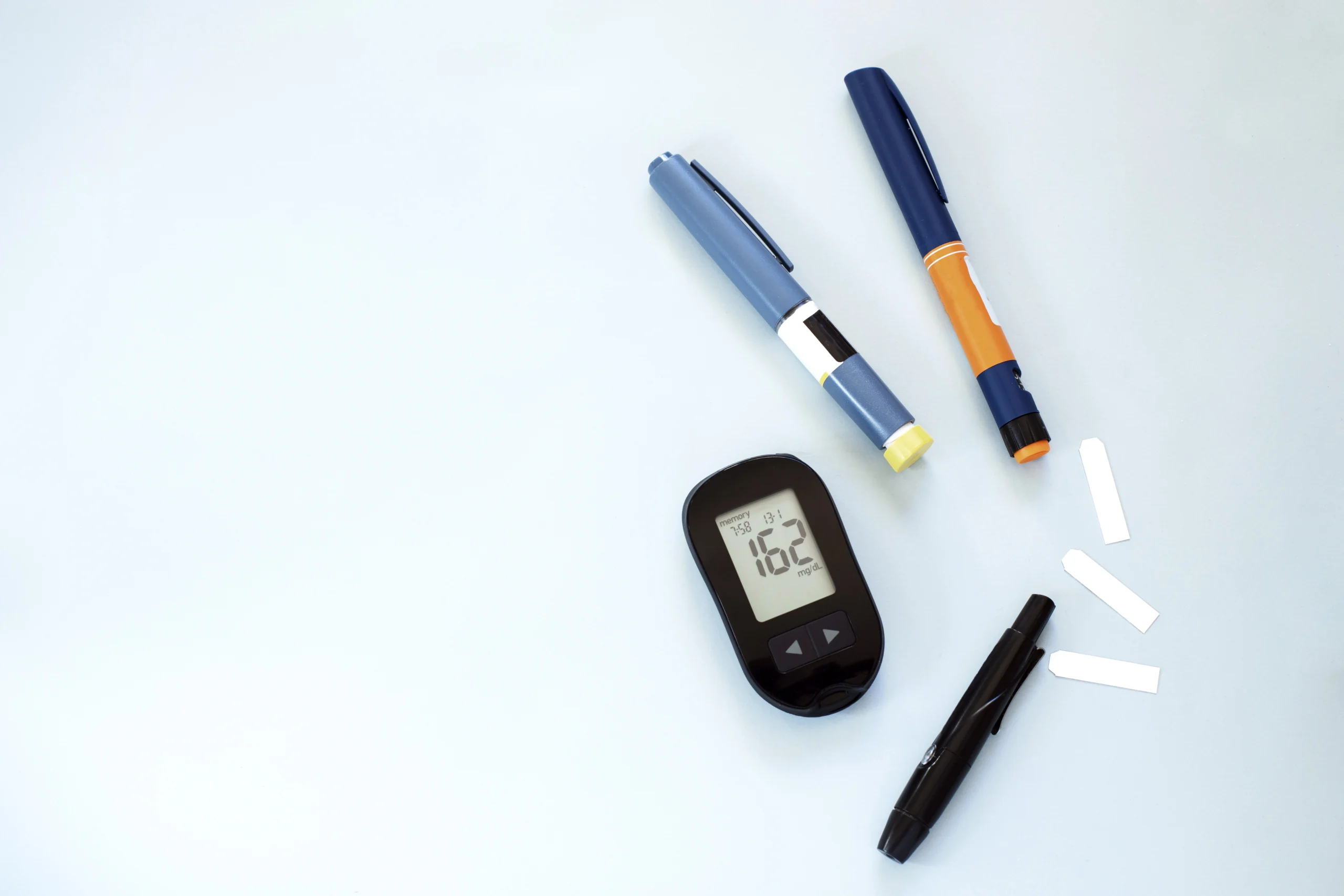
Best Diabetes and Hormones Doctos
How Hormones Influence Diabetes and Blood Sugar Control
Emergency Medical Help 24/7
Need urgent care? Access 24-hour doctor services, ambulance numbers, ICU, MRI, CT scan & hospital contacts.
01316163737Search by Doctor
Find with our top doctors and hospitals for trusted healthcare services.
Why You Need This Guide
Understanding the relationship between diabetes and hormones is essential for anyone trying to maintain stable blood sugar levels and prevent long-term complications. Hormones like insulin, cortisol, estrogen, progesterone, and thyroid hormones play a major role in how your body processes glucose.
When these hormones fluctuate—due to stress, illness, menstrual cycles, menopause, thyroid disorders, or lifestyle changes—your blood sugar can rise or fall unpredictably. This guide helps you identify these hormonal triggers and understand how they influence diabetes management.
By learning how hormones affect metabolism, insulin resistance, appetite, and energy regulation, you can take proactive steps to improve your blood sugar control. This knowledge empowers you to adjust your diet, medication, activity levels, and stress management techniques more effectively.
Whether you have type 1, type 2, or prediabetes, this information is critical to preventing complications and achieving long-term metabolic balance.
Meet the Best Diabetes And Hormones
Here is a curated list of the top Diabetes And Hormones whoes are Best Diabetes and hormones doctor in rajshahi. Click on a doctor to learn more about their qualifications, specialties, and chambers.

Prof Dr. A.H.M.Akhtaruzzaman
প্রফেসর ডা: আ.হ.ম.আকতারুজজ্জামান
Medicine, Diabetes, Thyroid & Hormone Specialist
About Doctor
Dr. A.H.M. Akhtaruzzaman is a highly experienced Medicine, Diabetes, Thyroid, and Hormone Specialist with qualifications including MBBS (Dhaka), MCPS (Medicine), and MD (Endocrinology).
He has extensive expertise in treating diabetes, thyroid disorders, hormonal imbalance, hypertension, obesity, and a wide range of internal medicine conditions. With advanced training in Endocrinology and Internal Medicine, Dr. A.H.M.
Akhtaruzzaman provides comprehensive treatment for diabetes management, thyroid diseases, hormonal disorders, insulin resistance, obesity, cholesterol-related problems, and metabolic conditions. He is known for offering modern, evidence-based, and patient-friendly healthcare solutions.
Dr. A.H.M. Akhtaruzzaman specializes in the diagnosis and long-term management of endocrine and metabolic diseases.
His treatment approach focuses on accurate diagnosis, lifestyle modification, preventive care, and personalized treatment plans tailored to each patient’s health condition and medical history. Patients suffering from diabetes complications, thyroid imbalance, hormone-related weight gain, fatigue, irregular menstruation, high blood pressure, and chronic medical conditions can receive trusted and effective treatment from Dr. A.H.M.
Akhtaruzzaman. He follows updated international medical guidelines to ensure quality healthcare services.
As a dedicated Medicine and Endocrinology specialist, Dr. A.H.M. Akhtaruzzaman is committed to helping patients achieve better health through proper disease management, nutritional guidance, regular monitoring, and advanced medical care for diabetes, thyroid, and hormone-related disorders.
Professional Details
MBBS (Dhaka), MCPS (Medicine),MD (Endocrinology) Professor Diabetes, Thyroid Hormone Specialist Rajshahi madical collage hospital
Chamber Details
Chamber & Appointment

Prof Dr. Ahamed masiha Jamil Arup
অধ্যাপক ডাঃ আহমেদ মসিহা জামিল অরূপ
Medicine and diabetes specialist doctor
About Doctor
Prof. Dr. Ahamed Masiha Jamil Arup is a highly experienced Medicine and Diabetes Specialist Doctor with qualifications including MBBS, CCD (BIRDEM), and MD (Medicine). He currently serves as an Assistant Professor at Rajshahi Medical College Hospital.
He has extensive experience in diagnosing and treating diabetes, hypertension, thyroid disorders, respiratory diseases, liver diseases, kidney problems, gastric disorders, fever, and other complex internal medicine conditions. Dr. Ahamed Masiha Jamil Arup is well known for providing patient-focused and evidence-based medical care.
He specializes in diabetes management, insulin therapy, diabetic complication prevention, lifestyle modification counseling, and long-term chronic disease management. His treatment approach is personalized according to each patient’s health condition and medical history.
As a trusted Medicine and Diabetes Specialist in Bangladesh, Prof. Dr. Ahamed Masiha Jamil Arup has earned the confidence of numerous patients through his professional expertise and compassionate care. He emphasizes accurate diagnosis, preventive healthcare, regular health checkups, blood sugar control, and hypertension management for better long-term health outcomes.
Patients can consult him for diabetes treatment, high blood pressure, asthma, pneumonia, thyroid disorders, gastric and liver diseases, kidney-related complications, chest pain, weakness, prolonged fever, chronic cough, and various internal medicine problems. He is dedicated to providing comprehensive medical care using modern clinical guidelines and updated treatment methods.
Prof. Dr. Ahamed Masiha Jamil Arup is committed to delivering reliable and advanced healthcare services with professionalism and care. Patients looking for an experienced medicine specialist doctor and diabetes specialist doctor in Bangladesh can rely on his expertise for quality treatment, accurate diagnosis, and continuous medical support.
Professional Details
MBBS.CCD (Bardem) (MD madicine) medicine and diabetes specialist doctor
Assistant professor Rajshahi medical College hospital
Chamber Details
Chamber & Appointment

About Doctor
Prof. Dr. Md. Mashiur Rahman is a renowned Cardiology and Internal Medicine specialist in Bangladesh with extensive experience in treating heart diseases, hypertension, chest pain, heart failure, irregular heartbeat, diabetes, and complex internal medical conditions. He holds MBBS (SSMC), BCS (Health), MD in Medicine, and specialized training in PGT-Cardiology.
He is also a MACP (America) member, reflecting his internationally recognized medical expertise and professional excellence. Currently serving as an Assistant Professor at Rajshahi Medical College Hospital, Prof. Dr. Md. Mashiur Rahman has been providing advanced and patient-focused healthcare services in cardiology and internal medicine for many years.
His areas of expertise include heart disease treatment, hypertension management, ECG, Echocardiography, cholesterol disorders, breathing difficulties, palpitations, stroke prevention, diabetes management, and elderly patient care. Prof. Dr. Md. Mashiur Rahman is known for detailed patient evaluation, accurate diagnosis, and personalized treatment plans.
He emphasizes preventive cardiology, healthy lifestyle modifications, and long-term disease management for better patient outcomes. Patients suffering from chronic high blood pressure, chest discomfort, shortness of breath, heart complications, diabetes-related cardiac issues, fatigue, and complex medicine-related conditions can benefit greatly from his expert consultation.
For patients searching for the best heart specialist doctor in Bangladesh, Prof. Dr. Md. Mashiur Rahman is considered a trusted and reliable name due to his modern treatment approach, compassionate patient care, and strong clinical experience. He strongly focuses on preventive heart care, early diagnosis, and evidence-based treatment strategies to help patients maintain a healthy heart and improved quality of life.
Professional Details
MBBS (SSMC), BCS (Health) MD MEDICINE RP (Medicine) Assistant Professor Rajshahi Medical College Hospital
Chamber Details
Chamber & Appointment
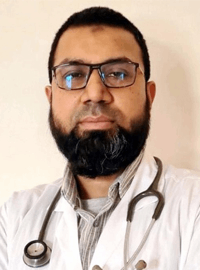
About Doctor
Dr. Md. Motiur Rahman is a skilled physician specializing in Medicine, Diabetes, Thyroid, and Hormonal disorders. He holds degrees MBBS, FCPS (Medicine), and DEM (BIRDEM), and currently works as a Registrar in the Department of Medicine at Rajshahi Medical College & Hospital.
Dr. Rahman is an expert in diagnosing and treating heart disease, hypertension, diabetes, thyroid problems, hormonal imbalances, and other internal medicine conditions. He provides advanced and safe medical care by following modern technology and scientific protocols.
Dr. Rahman ensures fast recovery by prescribing personalized medication and therapy based on the patient’s individual health condition. He is dedicated to improving patient health and quality of life through regular follow-ups and consultation.
In Rajshahi and surrounding areas, Dr. Md. Motiur Rahman is recognized as a respected and reliable physician. His professionalism, compassionate care, and high-quality medical services have established him as a well-known expert in his field.
Professional Details
MBBS, FCPS (Medicine), DEM (BIRDEM)
Medicine, Diabetes, Thyroid & Hormone Specialist
Registrar, Department of Medicine
Rajshahi Medical College & Hospital
Chamber Details
Chamber & Appointment

About Doctor
Dr. Md. Masud Un Nabi is an experienced specialist in Diabetes, Thyroid, Medicine, and Hormonal disorders. He holds degrees MBBS, BCS (Health), and MD (Endocrinology), and currently serves as Assistant Professor and Head of the Endocrinology Department at Rajshahi Medical College & Hospital.
Dr. Masud provides advanced medical care using modern technology and scientific methods for diabetes, thyroid disorders, hormonal diseases, and internal medicine. He ensures accurate diagnosis, personalized therapy, and safe treatment promoting fast recovery and long-term wellness.
His extensive knowledge and expertise in managing complex diabetes, thyroid, hormone balance, and medicine-related conditions have earned him patient trust. Dr. Nabi is committed to improving patients' quality of life through regular health check-ups and counseling.
He is recognized as a trusted and respected physician in Rajshahi and surrounding areas. His professionalism, compassion, and attentive care have established him as a leading expert in endocrinology and medicine.
Professional Details
MBBS, BCS (Health), MD (Endocrinology)
Diabetes, Thyroid, Medicine & Hormone Specialist
Assistant Professor & Head, Endocrinology
Rajshahi Medical College & Hospital
Chamber Details
Chamber & Appointment
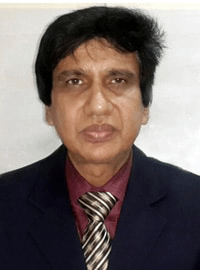
About Doctor
Dr. D. A.
Rashid is a renowned endocrinology specialist with expertise in diabetes, thyroid, and hormonal diseases. He holds degrees MBBS, MCPS, and MD (Endocrinology), and formerly served as Associate Professor of Endocrinology at Rajshahi Medical College & Hospital.
Dr. Rashid specializes in accurate diagnosis and advanced treatment of diabetes, thyroid disorders, and complex hormonal conditions. He provides safe and effective therapies using modern medical technologies and scientific methods.
Considering each patient's individual health condition, Dr. Rashid develops optimal treatment plans to ensure speedy recovery. He offers regular follow-ups, health advice, and lifestyle guidance to improve patient quality of life.
In Rajshahi and nearby regions, he is recognized as a respected and trusted endocrinology expert. His professionalism, compassion, and extensive experience have established him as a leading physician in his field.
Professional Details
MBBS, MCPS, MD (Endocrinology)
Endocrinology (Diabetes, Thyroid & Hormonal Diseases) Specialist
Former Associate Professor, Endocrinology
Rajshahi Medical College & Hospital
Chamber Details
Chamber & Appointment

About Doctor
Dr. Farid Ahmed is a highly experienced Medicine and Diabetes Specialist with qualifications including MBBS, BCS (Health), and FCPS (Medicine). He has extensive expertise in diagnosing and treating a wide range of internal medicine diseases, diabetes, hypertension, fever, gastric disorders, respiratory diseases, thyroid problems, kidney diseases, and liver-related conditions.
Currently serving at Rajshahi Medical College and Hospital, Rajshahi, Dr. Farid Ahmed provides advanced and evidence-based medical treatment for patients. He is well-known for his expertise in diabetes management, preventive healthcare, chronic disease management, and lifestyle-based treatment approaches.
As a skilled medicine specialist doctor, Dr. Farid Ahmed offers treatment for common and complex medical conditions including diabetes, high blood pressure, asthma, chest pain, dengue fever, typhoid, gastric ulcer, hormonal imbalance, and other internal health complications. He focuses on accurate diagnosis and modern treatment methods for better patient recovery.
Dr. Farid Ahmed is appreciated for his patient-friendly behavior, detailed consultation process, and personalized treatment plans. He carefully listens to patients’ health concerns and provides effective medical guidance according to individual health conditions.
Patients searching for the best diabetes specialist doctor and medicine specialist in Rajshahi trust Dr. Farid Ahmed for his professional medical care and compassionate approach. His treatment plans emphasize regular follow-up, healthy lifestyle management, proper medication guidance, and long-term disease control.
With years of clinical experience in internal medicine, Dr. Farid Ahmed has gained a strong reputation for providing quality healthcare services in Rajshahi. Patients visit him for treatment of diabetes, hypertension, gastric problems, liver disease, breathing difficulties, fever, and other chronic medical conditions.
If you are looking for an experienced medicine specialist and diabetes doctor in Rajshahi, Dr. Farid Ahmed is recognized as a trusted healthcare professional offering modern treatment solutions, accurate medical advice, and dedicated patient care.
Professional Details
MBBS, BCS (Health), FCPS (Medicine)
Medicine and diabetes specialist
Rajshahi Medical College and Hospital, Rajshahi
Chamber
Chamber Details
Chamber & Appointment

About Doctor
Dr. Humaira Tasneem Putul is an experienced Medicine and Diabetes Specialist with qualifications including MBBS and MSc (Medicine). She provides advanced medical care for adult patients suffering from fever, cold and cough, hypertension, diabetes, thyroid disorders, gastric problems, breathing difficulties, early-stage cardiac complications, and various chronic diseases.
As a skilled medicine specialist doctor, Dr. Humaira Tasneem Putul has expertise in diabetes management, blood sugar control, hypertension treatment, cholesterol disorders, obesity management, liver-related diseases, and lifestyle-related health conditions. She follows modern diagnostic and treatment approaches to ensure effective and personalized patient care.
Dr. Humaira Tasneem Putul has been serving medicine and diabetes patients with dedication and professionalism for many years. She carefully listens to patients’ concerns and explains treatments in a simple and patient-friendly manner, helping patients feel comfortable and confident about their healthcare journey.
She regularly provides guidance on diabetic diet plans, healthy lifestyle management, exercise routines, weight control, and preventive healthcare strategies to reduce the risk of diabetes-related complications. Her treatment approach focuses on long-term wellness and better quality of life.
Her medical services include diabetes treatment, hypertension management, fever and infection treatment, gastric and ulcer care, asthma and respiratory disease treatment, thyroid disorder management, weakness and fatigue evaluation, chest pain assessment, kidney-related primary care, and general internal medicine consultation. Known for her patient-friendly behavior, accurate diagnosis, and evidence-based treatment methods, Dr. Humaira Tasneem Putul is recognized as a trusted medicine specialist doctor.
She is committed to delivering compassionate, high-quality, and modern healthcare services for every patient. Patients searching for an experienced medicine specialist, diabetes specialist doctor, hypertension treatment expert, or reliable internal medicine physician can confidently consult Dr. Humaira Tasneem Putul for comprehensive medical care and professional health guidance.
Professional Details
MBBS, MSc (Medicine)
Medicine and diabetes
Chamber Details
Chamber & Appointment
Most Common Treatment
Insulin Therapy
Insulin therapy is one of the most essential treatments for managing both Type 1 and advanced Type 2 diabetes. When hormonal changes—such as increased cortisol or fluctuating reproductive hormones—cause blood sugar instability, insulin helps balance glucose levels more effectively. This treatment allows patients to maintain better control during stress, illness, menopause, menstrual cycles, or thyroid disorders. Modern insulin plans include basal-bolus regimens, insulin pens, and pumps, ensuring precise glucose regulation for improved long-term health.
Oral Diabetes Medications
Oral medications like metformin, DPP-4 inhibitors, SGLT2 inhibitors, and sulfonylureas help reduce insulin resistance and stabilize blood sugar levels influenced by hormonal fluctuations. These medicines are commonly prescribed for Type 2 diabetes patients who experience blood sugar spikes due to stress hormones, thyroid issues, or metabolic imbalance. They support better glucose uptake, improve pancreatic function, and help maintain consistent daily sugar control.
Hormone Replacement Therapy (HRT)
Hormone Replacement Therapy is often used for patients experiencing hormonal imbalances such as thyroid disorders, PCOS, menopause, or adrenal dysfunction. Since these conditions can directly impact glucose metabolism, correcting hormonal imbalance can significantly improve diabetes control. HRT may involve thyroid hormone medication, estrogen-progesterone therapy, or cortisol regulation, depending on the patient’s condition.
Lifestyle Modification Programs
Lifestyle modification is a cornerstone of diabetes and hormonal imbalance treatment. This includes personalized diet planning, weight management programs, exercise routines, and sleep optimization. These changes help reduce insulin resistance and stabilize hormones like insulin, cortisol, and thyroid hormones. Lifestyle plans also improve metabolic health, reduce inflammation, and support long-term diabetes management.
Continuous Glucose Monitoring (CGM)
Continuous Glucose Monitoring devices are essential for understanding how hormones affect blood sugar throughout the day. CGM technology tracks real-time glucose patterns, helping patients recognize hormonal triggers such as stress, menstrual cycles, or adrenaline responses. It enables more accurate dosing, better lifestyle adjustments, and improved diabetes control with fewer complications.
Thyroid Disorder Management
Thyroid hormone imbalance is closely linked to diabetes control. Treating hypothyroidism or hyperthyroidism with proper medication helps stabilize metabolism, insulin sensitivity, and blood sugar. Thyroid management plays an important role for patients whose diabetes becomes difficult to control due to fluctuating thyroid hormone levels.
Best Hospitals & Clinics for Diabetes And Hormones
Rajshahi Medical College Hospital, Laxmipur, Rajshahi
Rajshahi Medical College Hospital is one of the most trusted healthcare centers for diabetes and hormone-related treatments in North Bengal. With its dedicated endocrinology specialists, modern diagnostic facilities, and patient-focused services, the hospital provides comprehensive care for individuals struggling with hormonal imbalances and uncontrolled blood sugar. Patients visit this location for reliable diabetes management plans, thyroid evaluations, hormonal disorder screening, and long-term follow-up support. Its accessible location in Laxmipur, Rajshahi, makes it convenient for patients seeking expert care in a reputed government facility.
Islami Bank Hospital Rajshahi, Nawdapara, Rajshahi
Islami Bank Hospital Rajshahi is well-known for specialized diabetes care and advanced hormone testing services. The hospital hosts experienced endocrinologists who help patients understand how hormonal disturbances—such as thyroid issues, adrenal hormone imbalance, or reproductive hormone changes—affect diabetes control. Their state-of-the-art diagnostic labs, personalized treatment plans, and patient-friendly environment make it an ideal choice for individuals seeking high-quality endocrine and metabolic care. Located in Nawdapara, it is easily accessible for patients across the city.
Modern Diagnostic Center & Hospital, Shaheb Bazar, Rajshahi
Modern Diagnostic Center & Hospital offers detailed hormone profiling and diabetes-related testing that help patients monitor their blood sugar and hormonal health more accurately. The facility is known for quick lab results, updated medical technology, and specialists trained in managing complex endocrine conditions. Patients often choose this location for its reliability, fast service, and strong focus on diabetes education. Its central location in Shaheb Bazar ensures easy access for people living both in the city and surrounding areas.
Rajshahi Diabetic Association Hospital, Upashahar, Rajshahi
Rajshahi Diabetic Association Hospital has been serving diabetes patients for years with a specialized approach to diabetes care and hormone-related health problems. Their endocrinology units provide expert guidance on insulin resistance, thyroid disease, PCOS, menopause-related blood sugar changes, and other hormonal factors that influence diabetes. The hospital also focuses on lifestyle counseling, diet planning, and long-term monitoring. Located in Upashahar, it remains a top choice for patients seeking dedicated diabetes and hormone care in a trusted community-based environment.
Estimated Cost & Expert Advice for Diabetes And Hormones
Diabetes Consultation & Hormonal Evaluation
Estimated Cost:
BDT 500 – BDT 1,500 depending on doctor specialty, hospital reputation, and consultation type (general or endocrinology).
Advice:
Choose an experienced endocrinologist if you experience unusual blood sugar fluctuations or symptoms of thyroid, adrenal, or reproductive hormone imbalance. Regular checkups every 3–6 months are recommended.
Hormone Testing (Thyroid, Cortisol, Estrogen, Progesterone, Insulin)
Estimated Cost:
BDT 1,500 – BDT 6,000 based on the number of tests and the diagnostic center.
Advice:
Always get hormone tests done from a reliable and accredited laboratory to ensure accurate results. Follow pre-test instructions carefully—some tests require fasting or morning sample collection.
Diabetes Profile & Blood Sugar Test
Estimated Cost:
BDT 300 – BDT 1,200 depending on whether it includes fasting, post-meal, HbA1c, or full diabetic profile.
Advice:
Monitor your blood sugar regularly, especially if you notice changes in appetite, weight, menstrual cycle, or energy levels. HbA1c should be checked every 3 months for better diabetes management.
Insulin Therapy
Estimated Cost:
BDT 600 – BDT 6,000 per month depending on insulin type (regular, rapid-acting, long-acting) and dosage requirement.
Advice:
Talk to your doctor before switching insulin types. Keep insulin stored properly in a cool environment and always track your blood glucose while adjusting doses.
Oral Diabetes Medications
Estimated Cost:
BDT 200 – BDT 2,500 per month depending on the medicine category such as metformin, DPP-4 inhibitors, or SGLT2 inhibitors.
Advice:
Never start or stop diabetes medication without consultation. If hormonal changes are causing frequent sugar spikes, dosage adjustments may be needed.
Continuous Glucose Monitoring (CGM)
Estimated Cost:
BDT 3,500 – BDT 8,000 for sensors (lasting 10–14 days) depending on brand and technology.
Advice:
CGM is beneficial for patients who experience unpredictable blood sugar changes due to hormonal imbalances. Use CGM data to identify patterns and discuss them with your doctor for better treatment planning.
Hormone Replacement Therapy (HRT)
Estimated Cost:
BDT 800 – BDT 4,000 per month depending on the hormone type and dosage.
Advice:
HRT should only be taken under medical supervision. Regular follow-ups are essential to monitor progress and adjust treatment safely.
Frequently Asked Questions
Find clear answers to the most common questions about Diabetes And Hormones.
How do hormones affect blood sugar levels?
Hormones such as insulin, cortisol, estrogen, progesterone, and thyroid hormones play a crucial role in controlling blood sugar. When these hormones fluctuate due to stress, menstrual cycles, menopause, thyroid imbalance, or illness, they can cause sudden spikes or drops in blood glucose levels. Understanding these hormonal interactions helps improve diabetes management.
Why does stress increase blood sugar?
Stress triggers the release of cortisol and adrenaline, hormones that prepare the body for a ‘fight or flight’ response. These hormones cause the liver to release stored glucose, leading to elevated blood sugar. This effect is stronger in people with diabetes or insulin resistance.
Can thyroid problems make diabetes worse?
Yes, thyroid disorders significantly impact diabetes control. Hypothyroidism slows metabolism, which can increase insulin resistance, while hyperthyroidism raises blood sugar by speeding up metabolic processes. Treating thyroid imbalance helps stabilize blood sugar levels.
Why do women with PCOS have a higher risk of diabetes?
Women with Polycystic Ovary Syndrome (PCOS) often experience insulin resistance, which makes it harder for the body to use insulin effectively. This increases the risk of developing Type 2 diabetes. Hormonal irregularities like elevated androgens also contribute to weight gain and blood sugar instability.
Do menstrual cycles affect blood sugar?
Yes, many women notice higher blood sugar levels in the days before their period due to changes in estrogen and progesterone. These hormones influence insulin sensitivity, appetite, and metabolism. Tracking cycle-related changes can help improve diabetes management.
Can menopause cause blood sugar fluctuations?
During menopause, estrogen levels drop, which can increase insulin resistance and lead to higher blood sugar levels. Hot flashes, sleep disturbances, and weight changes can further affect glucose control. Monitoring sugar levels more frequently during menopause is recommended.
Is it possible to balance hormones naturally to control diabetes?
Yes, lifestyle changes such as regular exercise, balanced diet, stress reduction, quality sleep, and weight management can help regulate hormones and improve insulin sensitivity. However, medical evaluation is important if symptoms persist or hormonal imbalance is suspected.
When should I see a doctor for diabetes and hormone problems?
You should see a doctor if you experience unexplained blood sugar fluctuations, fatigue, weight changes, irregular periods, mood swings, excessive thirst, or symptoms of thyroid or adrenal dysfunction. Early diagnosis helps prevent long-term complications.
Conclusion
Expert Summary for Healthcare Decision Making
Understanding the powerful connection between diabetes and hormones is essential for achieving long-term blood sugar stability and better overall health. Hormonal fluctuations—from stress, thyroid issues, reproductive changes, menopause, or adrenal imbalances—directly influence glucose metabolism and insulin sensitivity. By recognizing these patterns early, patients can adjust their lifestyle, medication, and monitoring routines more effectively. This guide highlights the importance of regular hormone testing, personalized diabetes management, and proactive medical consultation. With the right knowledge and support, anyone can take control of their diabetes, reduce health risks, and maintain a healthier, more balanced life. Whether you are newly diagnosed or managing diabetes for years, staying informed about your hormonal health is one of the most powerful steps you can take toward better well-being.
Call Now: 01316163737